Building History

The Guild of St Lawrence

The Building and Its History

The historic Chapel is a unique and important Grade ll* Listed building, situated in St. Lawrence Lane in the heart of Ashburton. Originally a Chantry Chapel and subsequently for over 600 years a Grammar School, St. Lawrence Chapel is now an important Heritage, Cultural and Community Centre, owned and managed by the Guild of St. Lawrence.

The Building

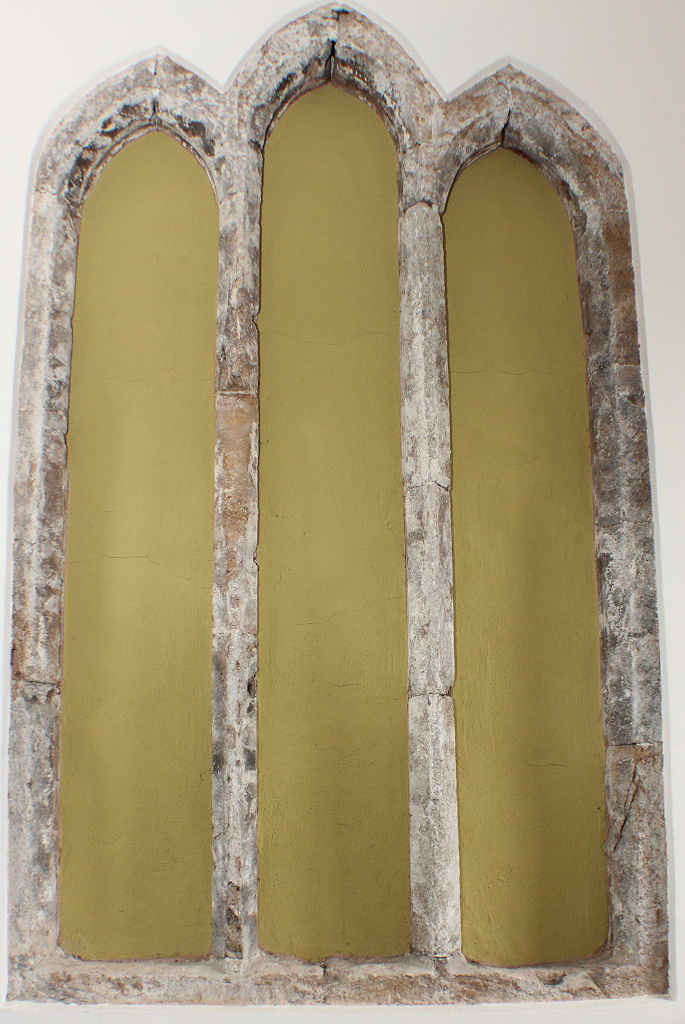
14th c East Window

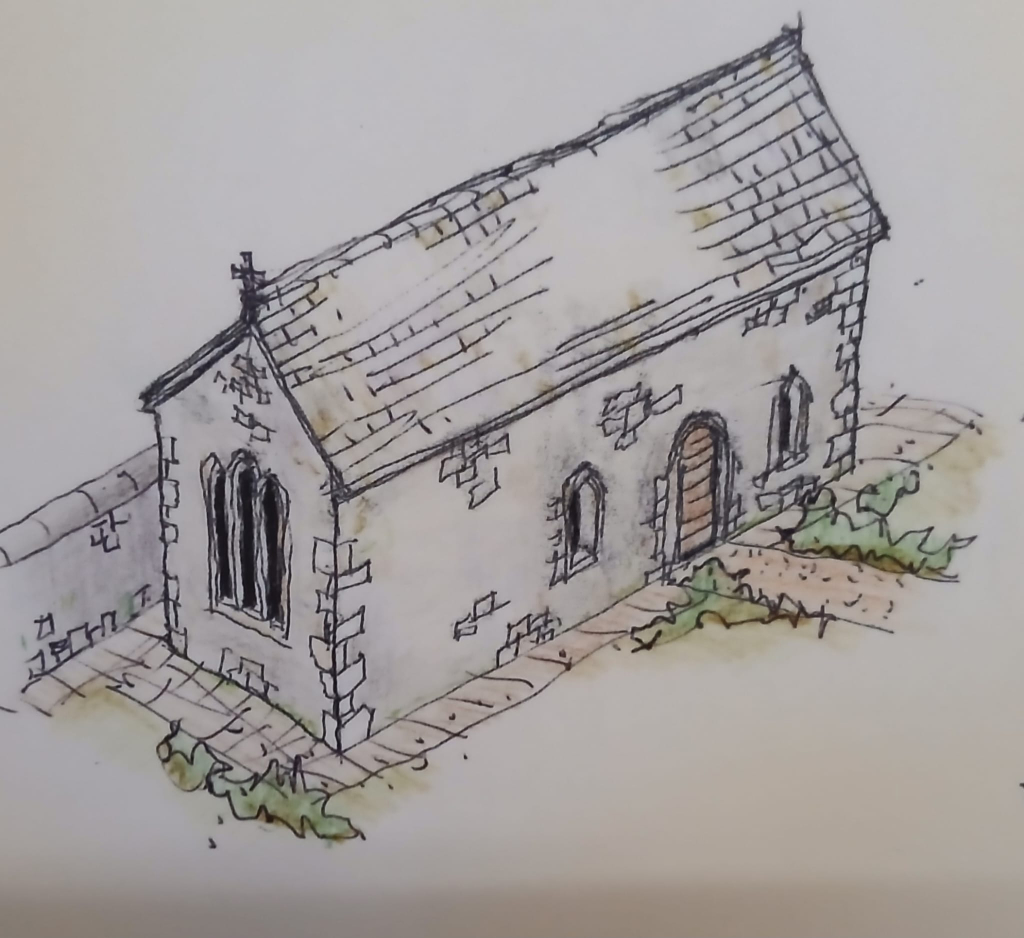
Very little remains of the early 14th century Chapel, apart from the east window which is visible from the Stanley Gill Room, having been revealed during the 1986 restoration.

Plasterwork

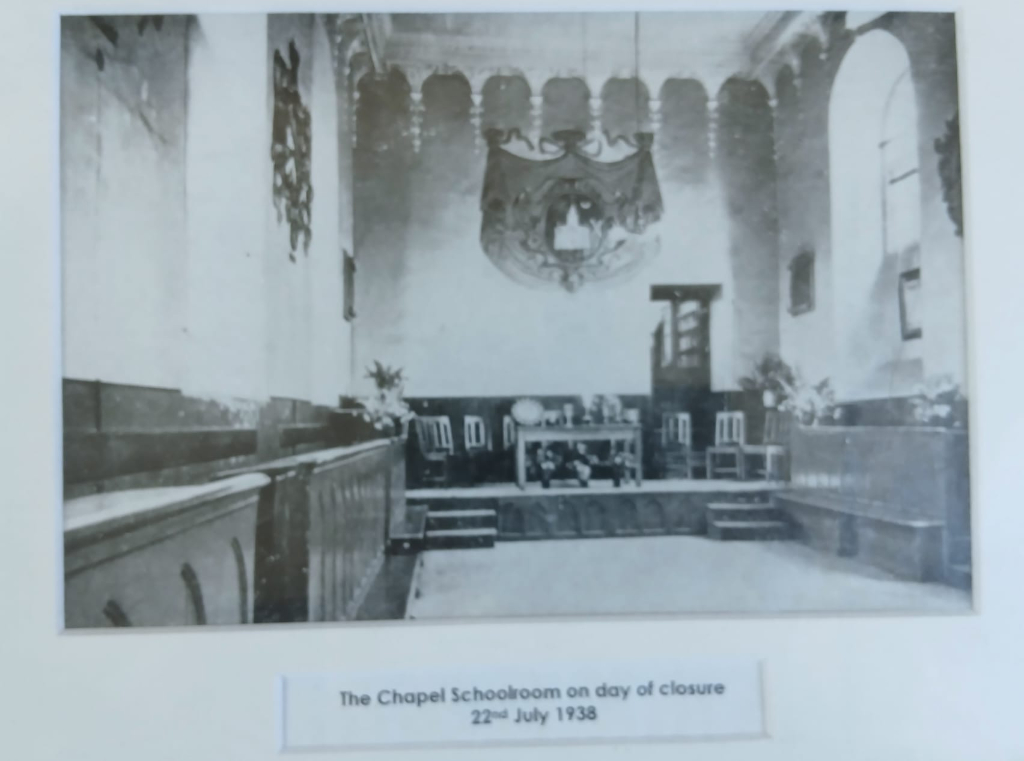
The Chapel itself was largely rebuilt in the 1740s, which was also when the very fine hand carved plasterwork was carried out. It is one of the most impressive large scale displays of decorative plasterwork in Devon.

The tower was added to the west end of the Chapel in the late 15th century and has a fine Perpendicular Gothic West Window.

Stanley Gill Room

The room to the east of the chapel, named the Stanley Gill Room, was built in the 1880s. It was the town library and now houses the unique archives.
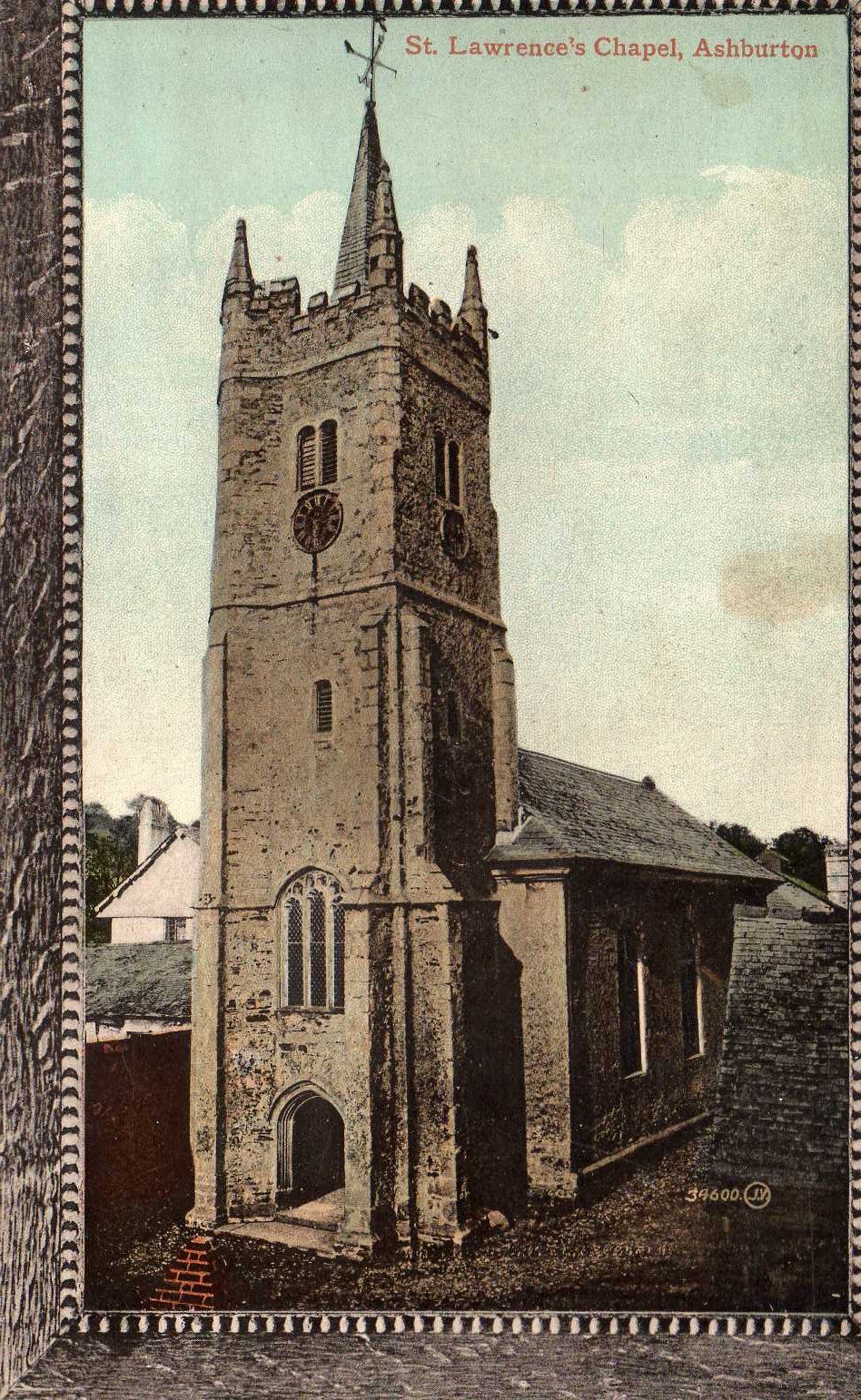
Before the side rooms were built

Further additions were made in the form of a corridor, classrooms and a kitchen between 1907-11, to expand the school accommodation.

The whole building was listed in 1951 with a Grade II* status, reflecting the importance of this unique historic building.

There is a wealth of interesting features in the building, including:

Tower entrance

The small tower room (reputed to be the smallest classroom in England).

The Chapel Gallery with carved graffiti.

The fine 18th century west door to the tower.

The school benches fitted along the sides of the Chapel, with historic graffiti carved by pupils of the old Grammar School.

Among these names is WILLS, which is reputed to be from William Wills. He was a past pupil who was part of the Australian expedition renowned in their history as being the navigator of Burk and Wills who were the first to cross Australia from South to North.

Tapestry

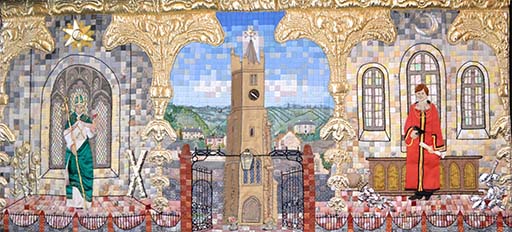
The wall hanging, representing aspects of the chapel and town and its history, was created by a team of local people for the reopening after the 1980s renovations.

There are many other features of interest that can be seen. Our guidebooks are produced in various languages to assist visitors. We also have quiz tour sheets for children.

Escorted ascents of the tower to view the historic town and surrounding medieval field systems are available on Heritage Open Weekend in September each year. See our Events page which will have details of dates and opening times.

History

St. Lawrence Chapel was originally built around 1301 and was Bishop Stapledon’s chapel, dedicated to St. Lawrence and adjacent to his home in the town, sometimes referred to as his ‘palace’. In 1314, Bishop Stapledon, Bishop of Exeter, granted the chapel to the town of Ashburton on condition that prayers should be said for his soul. For this purpose, a chantry priest was appointed and the Guild of St. Lawrence founded around that time, to manage the chantry chapel’s affairs.

Chantries were important in medieval life for secular and religious reasons. It was common for endowments to be made for educational and public services. The Guild of St. Lawrence had obligations to support a priest and probably supported a small school, although records do not confirm this until a reference in 1546 concerning payment of the priest responsible for education. The Guild was also responsible for maintaining the chantry chapel.

At the time of the Reformation most chantry chapels were forfeited to the Crown. However, in the case of St. Lawrence Chapel, the priest was teaching and his post was allowed to continue. The school was therefore spared.

At a later date, December 1594, the chapel was in the ownership of John Caunter. Records show that the school was supported by income from lands owned by the Guild. In 1596, the site was purchased by the parish. Endowments were gradually made to ensure the continuance of the school, now known as a Grammar School.

It remained a Grammar School right through to 1938, when the County Council took a decision to close it due to decreasing numbers of pupils and following the opening of new schools in Newton Abbot and Totnes. A County school continued to use the building until 1958 and it was used by the primary school until right up to the mid 1980s. By the 1990s the primary school had moved into a new building on its present site.

In 1984 The Guild of St. Lawrence was re-formed and its first official meeting was held on 4th December 1984. Its purpose was to protect and preserve this ancient building, which was in danger of collapse through neglect. With the support of the Dartmoor National Park and finance from English Heritage, a major restoration was carried out in 1986. St. Lawrence Chapel is now a Heritage, Cultural and Community Centre, owned and run by The Guild of St. Lawrence.